Residential Organics Locations
Why does it matter?
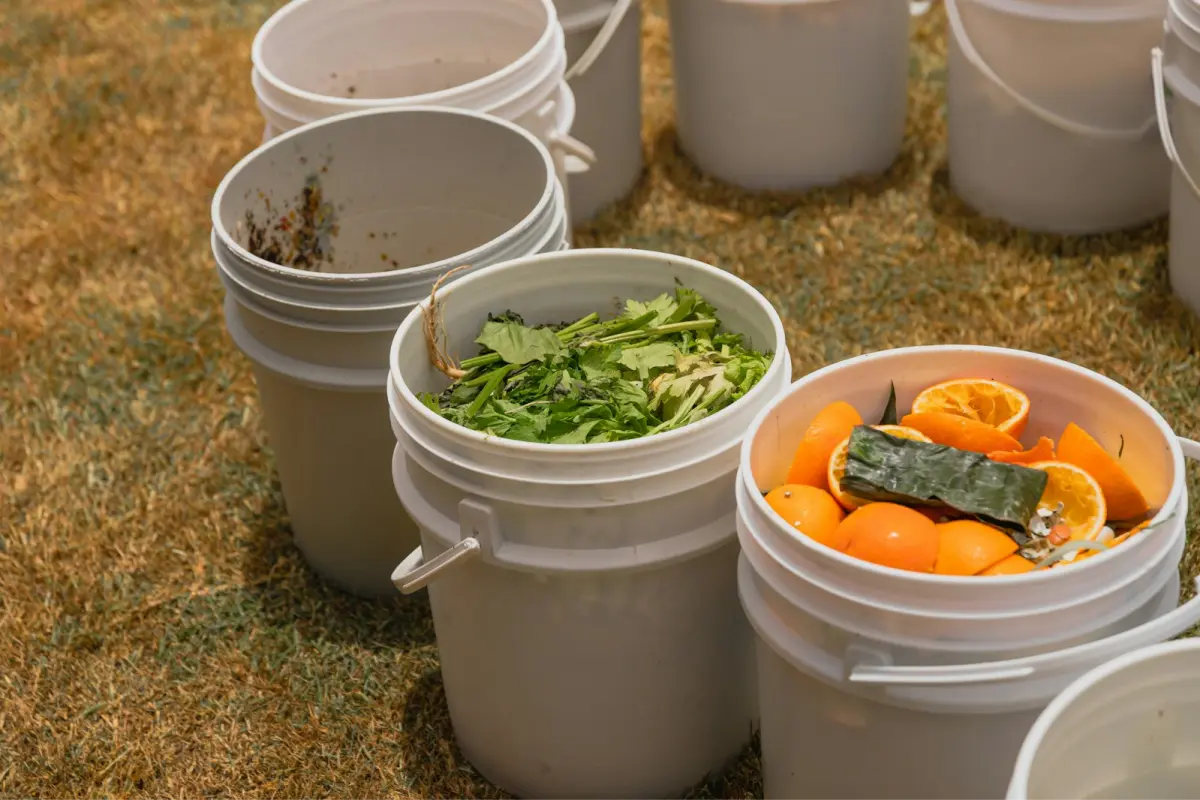
Did you know that things like leftovers and paper towels can make up nearly a third of your household trash? When this organic material goes to a landfill, it gets trapped without the oxygen it needs to break down quickly.
But when we collect it for commercial composting, we can help turn it into rich, healthy soil. It’s a simple way to reduce waste and give those scraps a new life!
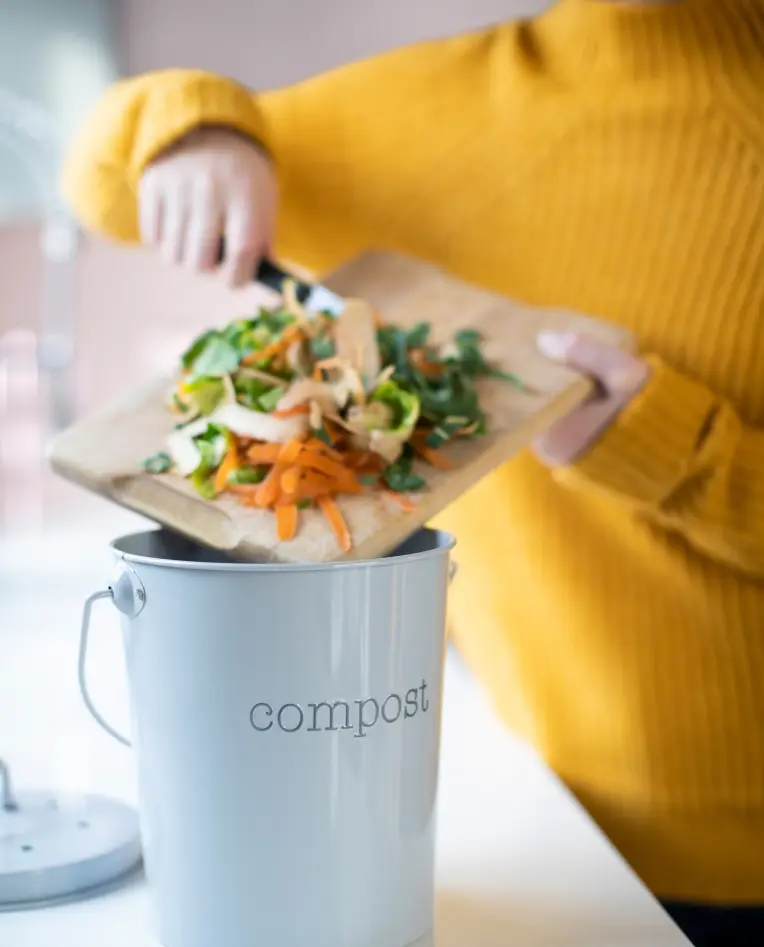
Joining in is an easy and convenient step that makes a huge difference.
Ready to learn more?
To see the specifics of the organics recycling program in your area, just click on your city from the list below!
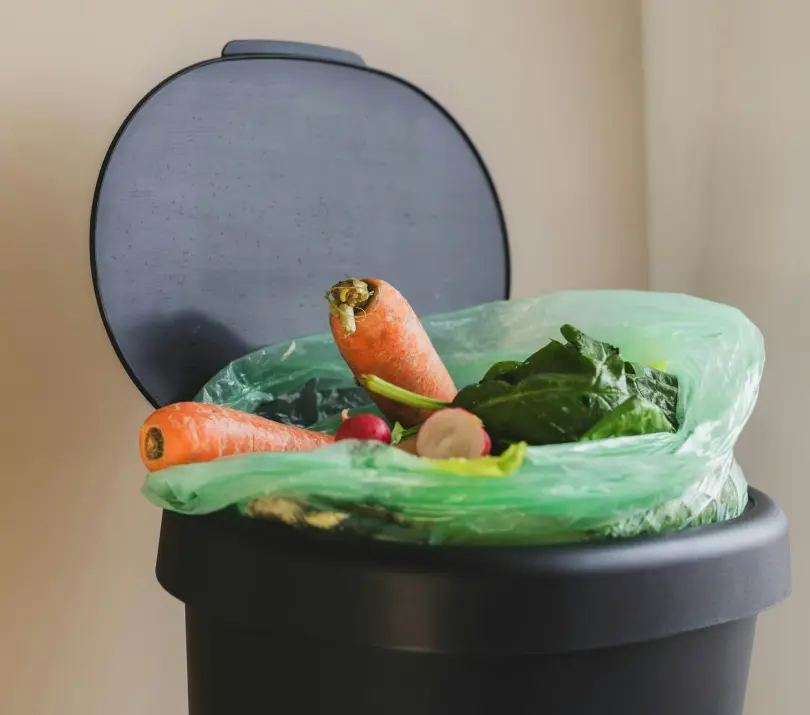
Here’s What to Add to Your Compost Bin:
We’re looking for all kinds of natural “organic” waste, which includes food scraps and certain paper products.
All Kinds of Food Scraps:
- Fruits & Vegetables (peels, cores, and all!)
- Meat, Fish, & Bones
- Bread, Pasta, Grains, & Baked Goods
- Eggshells & Nutshells
- Dairy Products (cheese, yogurt, etc.)
- Coffee Grounds & Tea Leaves
- Spoiled Leftovers
Food-Soiled Paper Products:
- Paper Towels & Napkins
- Uncoated Paper Plates & Cups
- Greasy Pizza Boxes (the cardboard part)
- Paper Egg Cartons
- Coffee Filters & Tea Bags (just remove any metal staples!)
Other Compostable Household Items:
- Tissues & Cotton Balls
- Houseplants & Flower Trimmings
- Anything marked as “BPI-Certified” compostable
Please Keep These Items Out:
To create the best compost, it’s just as important to know what to leave out.
Plastics, Glass & Metal:
- Plastic Bags, Wrappers, or Containers
- Styrofoam
- Glass Bottles or Jars
- Metal Cans or Foil
Packaging & Wrappers:
- Chip Bags & Candy Wrappers
- Microwave Popcorn Bags & Butter Wrappers
- K-Cups & Straws
- Juice Boxes or Pouches
Sanitary & Pet Items:
- Diapers, Wipes, or Band-Aids
- Feminine Hygiene Products
- Pet Droppings or Kitty Litter
- Cigarette Butts
Tricky Items to Avoid:
- Wax-coated items (like waxed paper or some paperboard boxes)
- Dryer Lint & Dusting Wipes
- Liquids like car fluids or detergents
- Batteries
Yard Waste:
Please keep leaves, grass, and branches in your separate yard waste collection, as they are handled differently.
To learn more about our yard waste program click here.
Composting at Home?
Here are a Few Simple Tricks!
01
Let it Breathe!
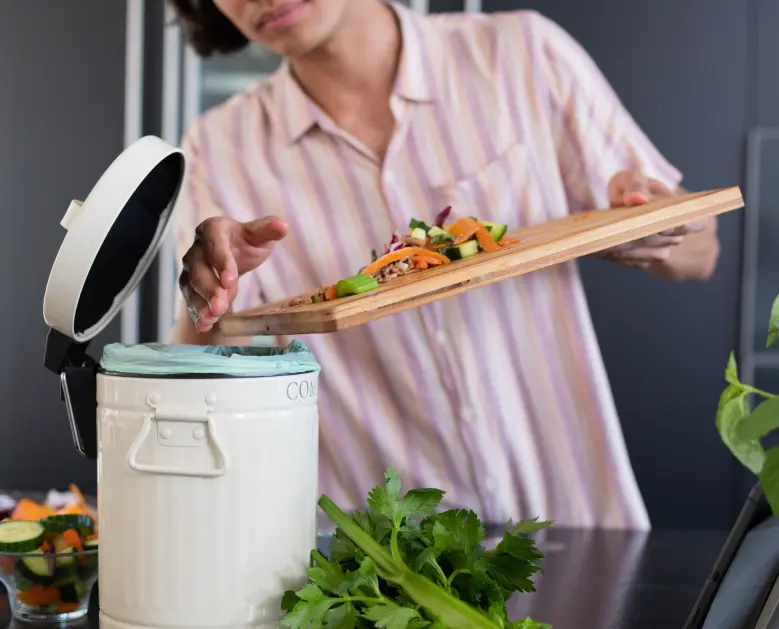
Good airflow is key! A vented lid allows moisture to escape, which slows decomposition. This leads to fewer odors and also helps strengthen your compostable bags. When selecting a kitchen pail, choose one with vents; if using your own container, just poke a few holes in the lid.
02
Drain Before You Drop
To prevent your compostable bags from becoming weak and soggy, it’s best to drain off excess liquid from wet foods, such as melon rinds or leftover soup, before placing them in the bin. A helpful tip is to line the bottom of your bag with a paper towel or newspaper to absorb any extra moisture.
03
Chill Out
Storing your compost pail in the refrigerator or freezer is a total game-changer! This simple act completely stops decomposition while you fill the pail, meaning you’ll have no odors and absolutely no pesky fruit flies. It’s the ultimate trick for keeping your space fresh and clean throughout the entire week.
04
Think Beyond the Kitchen
While the kitchen is typically the center for composting, remember other rooms also offer compostable materials! Your bathroom, for instance, is a good source for items like tissues, cotton balls, and paper-stick Q-tips. By placing a small organics bin in the bathroom, you can capture these extra items and further minimize your household waste.