The Power of Compost
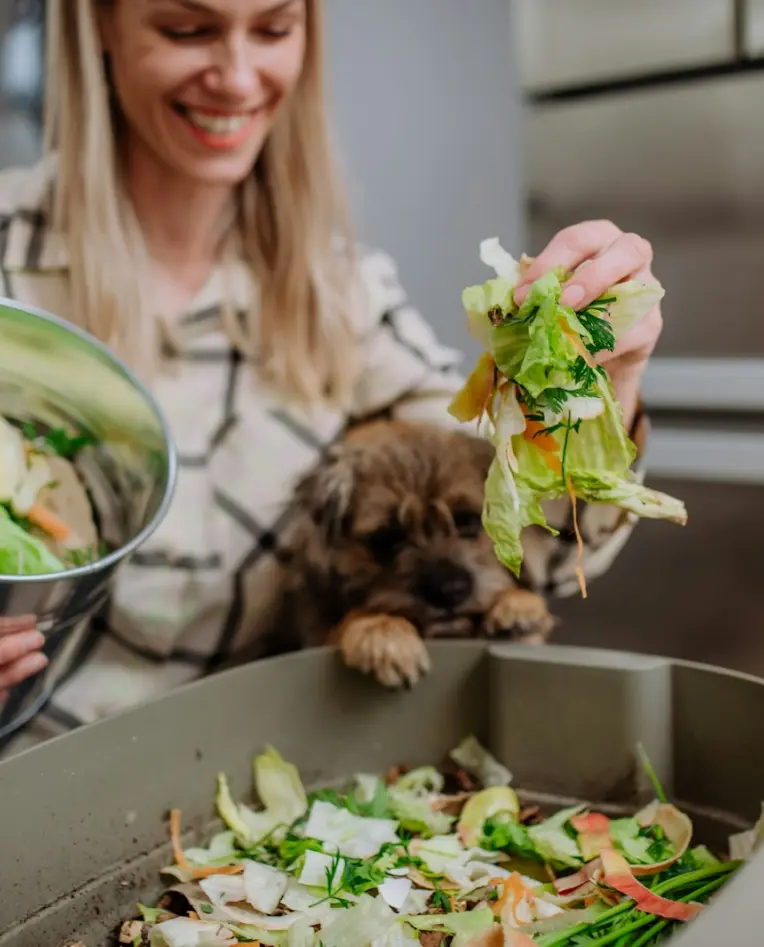
Well about a third of the average business’s waste is organic material like food scraps and food-soiled paper. When this material goes to a landfill, it gets trapped without the oxygen it needs to break down properly. When we collect it for commercial composting, we then can turn that waste into a valuable new resource: healthy soil.
Your dedicated Territory Sales Representative can walk you through the details, or you can call our office at 763.780.8464.
Starting a commercial organics program is a powerful way to:
- Grow your existing recycling efforts.
- Drastically reduce your environmental footprint.
- Show your customers and employees how you’re committed to the community.
Your Simple Guide to Getting Started
Ready to get set up? We make it easy to get your commercial organics program up and running.
Let's Get You Set Up.
The first step is to connect with your Territory Sales Rep or call our office at 763.780.8464. We’ll get your business signed up for the program and answer any questions you have.
Start Collecting.
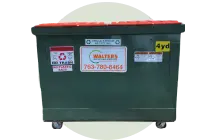
Once your new organics container arrives at your site, you’re ready to go! You can begin separating all your food scraps and food-soiled paper from your regular trash.
Bag It Up!
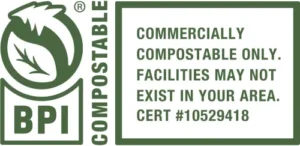
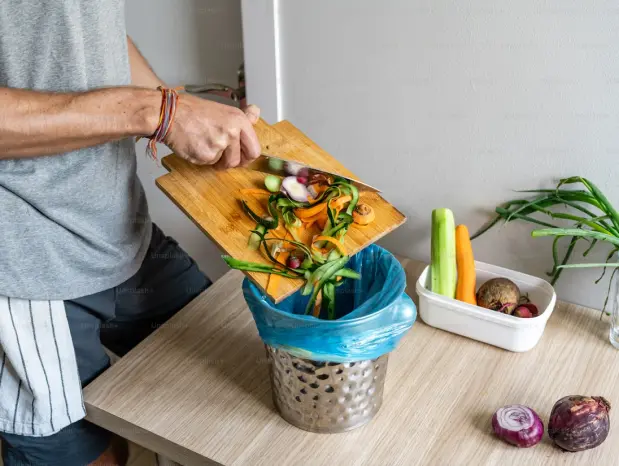
To keep things tidy, we highly recommend bagging your organic material in an approved, BPI-certified compostable bag before placing it in your main container. This is the best way to keep your container clean!
Know What to Throw.
Check out our simple guide below for a detailed list of what you can and can’t compost.
Ready to learn more?
For specific information on local business requirements, Hennepin County also provides excellent resources.
Commercial
Service Areas
To view the specific commercial services available in your area, please choose your city from the list below.
Find your location to get started. We provide comprehensive commercial organics and food waste recycling services for businesses located within the following communities. If your city is on the list, we’re ready to help you go green.
Here’s What to Add to Your Compost Bin
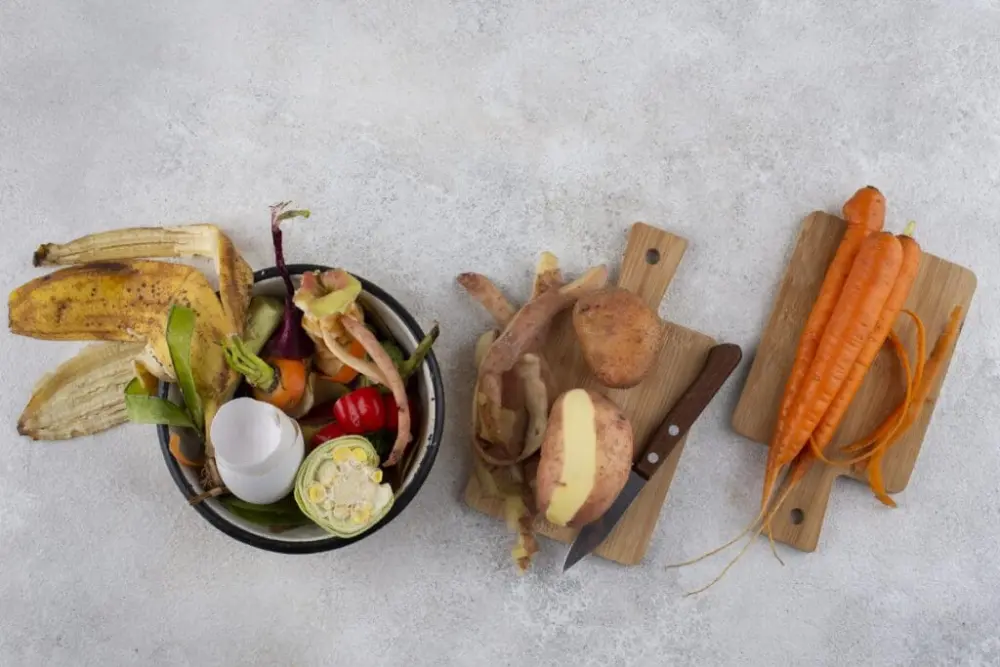
We’re looking for all kinds of natural “organic” waste, which includes food scraps and certain paper products.
All Kinds of Food Scraps:
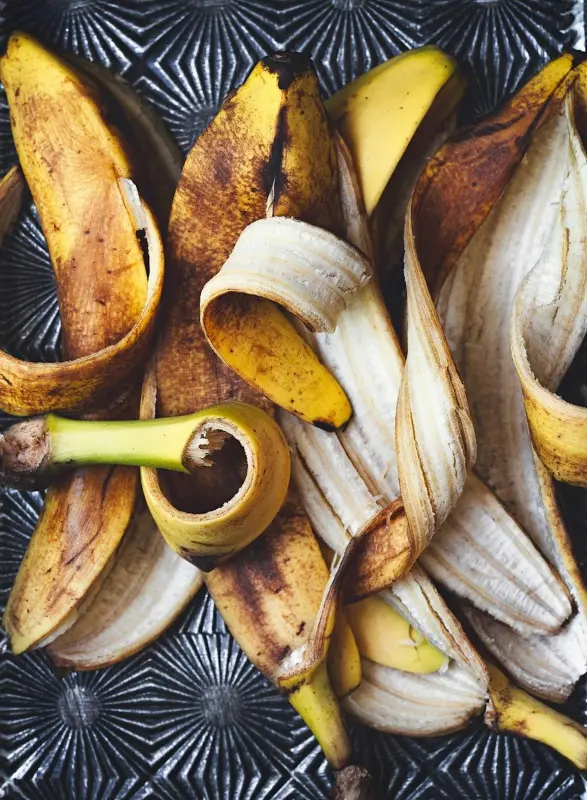
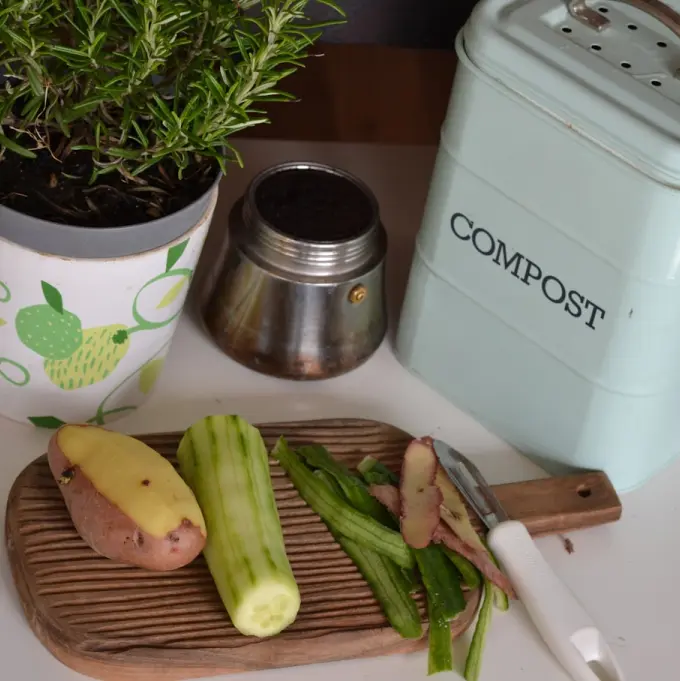
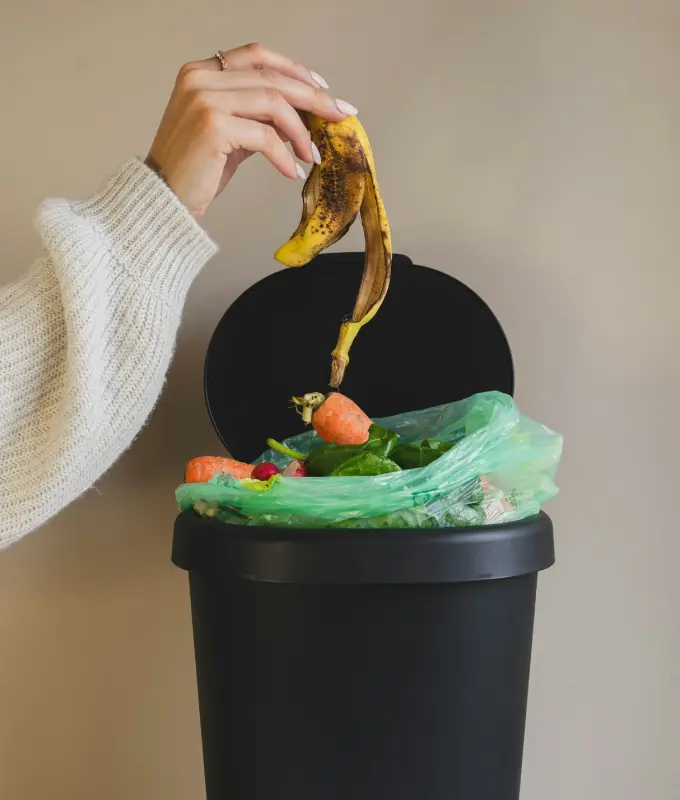
- Fruits & Vegetables (peels, cores, and all!)
- Meat, Fish, & Bones
- Bread, Pasta, Grains, & Baked Goods
- Eggshells & Nutshells
- Dairy Products (cheese, yogurt, etc.)
- Coffee Grounds & Tea Leaves
- Spoiled Leftovers
Food-Soiled Paper Products:
- Paper Towels & Napkins
- Uncoated Paper Plates & Cups
- Greasy Pizza Boxes (the cardboard part)
- Paper Egg Cartons
- Coffee Filters & Tea Bags (just remove any metal staples!)
Other Compostable Household Items:
- Tissues & Cotton Balls
- Houseplants & Flower Trimmings
- Anything marked as “BPI-Certified” compostable
Please Keep These Items Out:
To create the best compost, it’s just as important to know what to leave out.
Plastics, Glass & Metal:
- Plastic Bags, Wrappers, or Containers
- Styrofoam
- Glass Bottles or Jars
- Metal Cans or Foil
Packaging & Wrappers:
- Chip Bags & Candy Wrappers
- Microwave Popcorn Bags & Butter Wrappers
- K-Cups & Straws
- Juice Boxes or Pouches
Sanitary & Pet Items:
- Diapers, Wipes, or Band-Aids
- Feminine Hygiene Products
- Pet Droppings or Kitty Litter
- Cigarette Butts
Tricky Items to Avoid:
- Wax-coated items (like waxed paper or some paperboard boxes)
- Dryer Lint & Dusting Wipes
- Liquids like car fluids or detergents
- Batteries
Yard Waste:
Please keep leaves, grass, and branches in your separate yard waste collection, as they are handled differently.
For more information on yard waste click here.
Composting at the Office?
Here are a Few Simple Tricks!
01
Let it Breathe!
A little airflow goes a long way. Using a container with a vented lid allows moisture to escape, which naturally slows down decomposition. The result? Fewer odors and stronger compostable bags. If you’re buying a special kitchen pail, look for one with vents. If you’re making your own, simply poke a few holes in the lid.
02
Drain Before You Drop
Soupy scraps can make your compostable bags weak and soggy. Before tossing wet foods (like melon rinds or leftover soup) into your bin, try to drain off any excess liquid. Another great trick is to place a paper towel or a piece of newspaper at the bottom of your bag to soak up extra moisture.
03
Chill Out
This is a game-changer for many people! Storing your compost pail in the refrigerator or freezer completely halts the decomposition process while you fill it up. This means absolutely no odors and no pesky fruit flies. It’s the ultimate trick for keeping things fresh and clean all week long.
04
Think Beyond the Kitchen
Your kitchen is the main hub for compost, but don’t forget about other rooms! The bathroom, for example, is a great source of compostable items like tissues, cotton balls, and Q-tips (the paper-stick kind). Try placing a small organics bin in your bathroom to catch these extras and reduce your trash even more!